
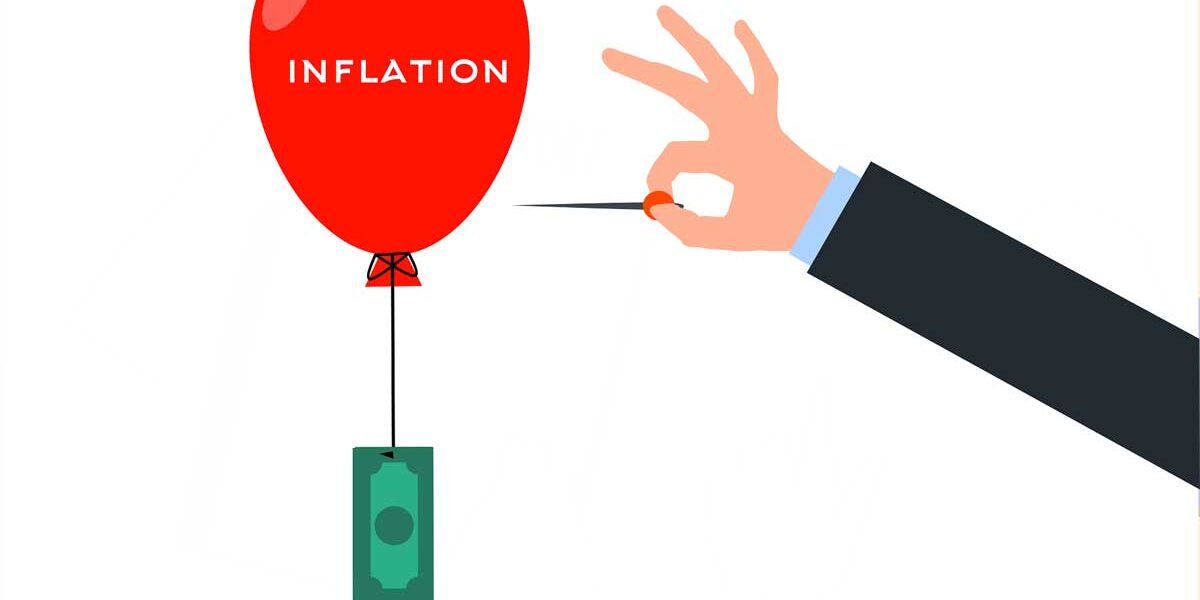
As economies worldwide grapple with the resurgence of inflationary pressures, the trajectory of inflation and its implications for interest rates have become focal points of economic discourse. Understanding where inflation is expected to go and its impact on interest rates is crucial for investors, policymakers, and consumers alike as they navigate the evolving economic landscape.
In recent months, inflationary trends have exhibited resilience, driven by a myriad of factors including robust consumer demand, supply chain disruptions, and fiscal stimulus measures. However, the persistence and magnitude of inflationary pressures remain uncertain, prompting analysts and policymakers to scrutinize various indicators and forecasts to gauge the future path of inflation.
Looking ahead, forecasts suggest that inflation is likely to remain elevated in the near term, fuelled by continued supply constraints, pent-up demand, and rising input costs. While some anticipate a gradual moderation in inflation as supply chains adapt and base effects dissipate, others warn of persistent inflationary pressures stemming from structural factors such as labour market tightness and supply bottlenecks.
Central to the inflation outlook is the response of monetary authorities, particularly central banks, in managing inflation expectations and safeguarding price stability. Historically, central banks have employed interest rate adjustments as a primary tool to influence inflation dynamics. In light of the current inflationary environment, speculation abounds regarding the timing and magnitude of potential interest rate hikes.
Indeed, central banks in some jurisdictions have already signalled a shift towards tighter monetary policy to curb inflationary pressures. The Federal Reserve in the United States, for instance, has indicated its readiness to raise interest rates and commence the tapering of asset purchases to rein in inflation. Similarly, other major central banks, including the European Central Bank and the Bank of England, have hinted at potential policy normalization measures in response to inflationary concerns.
The impact of rising interest rates on the economy and financial markets is multifaceted and warrants careful consideration. On the one hand, higher interest rates can dampen consumer spending and business investment by increasing borrowing costs, thereby exerting downward pressure on inflation. Moreover, tighter monetary policy can bolster confidence in central banks’ commitment to price stability, thereby anchoring inflation expectations and mitigating the risk of spiralling inflation.
On the other hand, higher interest rates may weigh on asset prices, particularly in sectors sensitive to borrowing costs such as real estate and equities. Moreover, emerging market economies with high levels of external debt may face challenges servicing their debt obligations amid rising borrowing costs, potentially exacerbating financial vulnerabilities.
In conclusion, the path of inflation and its implications for interest rates remain subjects of intense scrutiny and debate in the current economic environment. While the trajectory of inflation hinges on a complex interplay of factors, including supply dynamics, policy responses, and external shocks, central banks’ actions will undoubtedly shape the future inflation landscape. As stakeholders brace for potential interest rate adjustments, prudent risk management and vigilance are imperative to navigate the evolving economic environment effectively.